Hidden Gems Along the Muskoka River

This guide identifies the specific, lesser-known spots along the Muskoka River that offer the best views, fishing, and quiet moments away from the main tourist drags. You'll find details on exact locations, what to bring, and how to avoid the crowds near the high-traffic areas of Bracebridge and beyond.
Most people visit the Muskoka region and stick to the big-name parks or the main streets of Brace-town. They miss the real character of the river. I've spent years walking these banks, and there's a massive difference between a crowded public park and a quiet bend in the water where you can actually hear the wind in the white pines.
Where are the best quiet spots to watch the river?
The best quiet spots for river viewing are found along the secondary access points near the Taylor Rapids area and the smaller bends north of the town center. While everyone else is crowding the public docks, these spots offer a much more peaceful experience.
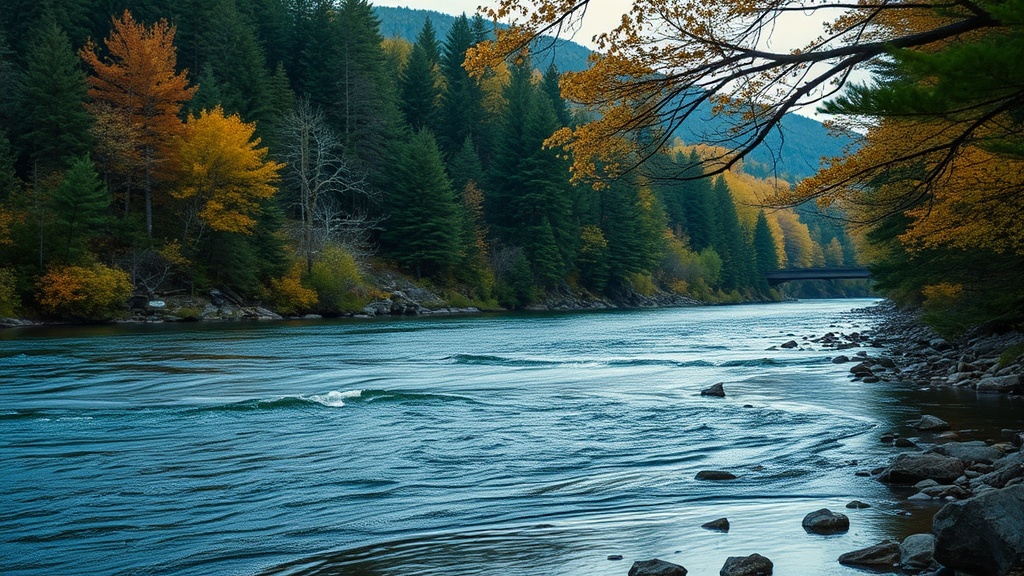
If you want a view without the noise, head toward the granite outcrops that line the river bends. These aren't always marked with giant signs, but they are easy to find if you know where to look. The light hits the water differently here—it’s much more dramatic than the flat reflections you see in the more developed areas.
One of my personal favorites is a small, unnamed clearing about two kilometers north of the main falls. It’s a great place to sit with a book or just watch the current. Just don't expect a paved path. You'll want to wear sturdy boots—nothing fancy, just something that can handle a bit of mud and uneven rock.
A quick tip: if you're looking for the best photo ops, the golden hour is actually better at the lower elevations near the river bends rather than the high bridges. The shadows are longer and the water looks deeper.
- The Granite Ledges: Perfect for sitting and watching the current move through the rapids.
- The Pine Groves: Shady, cool, and great for a mid-afternoon break.
- The Lower Bends: Best for seeing the movement of the water and local birdlife.
What should I bring for a river walk?
You should bring a waterproof jacket, sturdy hiking footwear, and high-quality insect repellent to ensure a comfortable outing.
The weather in the Muskoka region is famously unpredictable. You might start with a clear blue sky and end up in a sudden downpour within twenty minutes. I never leave the house without a lightweight shell—something like a Patagonia Torrentshell or a similar breathable layer. It's better to have it and not need it than to be soaked through by the time you get back to your car.
Also, don't underestimate the bugs. Even in late spring, the mosquitoes near the water can be aggressive. If you're heading into the more wooded sections, a heavy-duty repellent is a must. It's not just a suggestion; it's a survival tactic if you want to enjoy your walk.
Here's a quick checklist of essentials:
| Item | Why You Need It | Pro Tip |
|---|---|---|
| Waterproof Shell | Sudden weather shifts | Pack it in a dry bag |
| Insect Repellent | Mosquito/Blackfly defense | Look for DEET or Picaridin |
| Sturdy Boots | Uneven rocks and mud | Break them in before the walk |
| Water Bottle | Hydration | Insulated bottles work best |
How do I find the best fishing spots?
The best fishing spots along the Muskoka River are typically found in the slower-moving pools and deep eddies just below the major rapids. These areas act as natural resting points for fish moving upstream or downstream.
You'll often find trout or bass in these pockets. The key is to look for where the water slows down significantly after a rapid. These "pools" are where the fish can conserve energy. If you're fishing near the falls, the current is often too aggressive for casual angling, so aim for the edges where the water is calmer.
It's worth noting that local regulations are strictly enforced to protect the river's ecosystem. Always check the Ontario fishing regulations before you cast a line. You don't want to accidentally keep something you're supposed to release, especially if you're fishing for native species. The river is a delicate system, and we need to keep it healthy for the long haul.
I've noticed that the fish are most active in the early morning, right as the sun is hitting the water. If you're out there at noon, you'll likely find much less action. It's a quiet, meditative way to start a day, but you have to be willing to get up early.
If you're interested in the seasonal changes of the region, you might also enjoy reading about finding the best local maple syrup, as the spring thaw heavily impacts the river's flow and the local environment.
One thing to keep in mind: the riverbed can be slippery. If you're wading, use a walking stick. It's not just for stability—it's a way to probe the depth and feel for rocks before you step. I've seen plenty of people lose their footing trying to reach a "perfect" spot only to end up soaked.
The river changes with every season. In the spring, the volume is massive and can be quite intimidating. By late summer, it's much more docile and predictable. If you're planning a trip, check the local water levels or look at the water flow data if you want to be precise about the current strength.
There's a certain rhythm to the Muskoka River. It’s not just a body of water; it’s the heartbeat of the town. Whether you're looking for a place to fish, a place to hike, or just a place to sit and think, the river has something for everyone—provided you know where to look.
Don't be afraid to wander slightly off the main trails. The best views are rarely found on the paved paths. They're found in the small details—the way the moss grows on a granite slab, or how the water swirls around a fallen log. That's the real Muskoka.