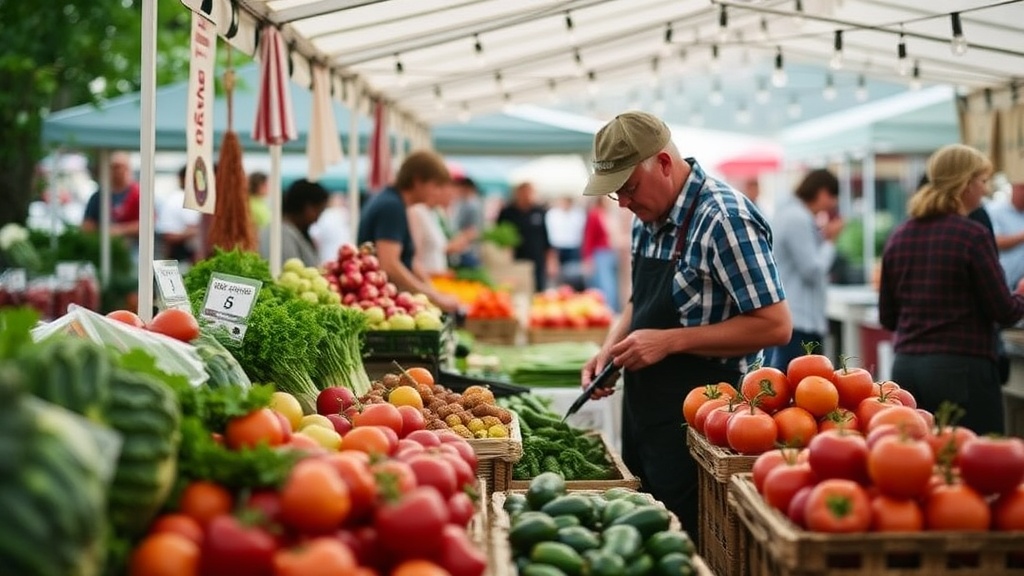
Exploring the Best Seasonal Flavors at the Bracebridge Farmers Market

Many people assume that shopping at a local farmers market is just about picking up a bag of carrots or a carton of eggs. That's a mistake. If you think the Bracebridge Farmers Market is just a grocery run, you're missing the real reason to show up: the seasonal flavor shifts that define Muskoka's food culture. This post breaks down exactly what to look for during each season, which local producers to watch, and how to time your visits to catch the absolute best produce hitting the stalls.
The Bracebridge Farmers Market isn't just a place to buy food; it's a revolving menu of what the Muskoka soil is actually producing right now. You aren't just buying ingredients. You're buying the peak of the season.
What is in season at the Bracebridge Farmers Market right now?
The availability of produce at the market depends entirely on the current month and the local growing cycle in the Muskoka region. Right now, we are moving through the transition from late spring into early summer, which means you'll see a shift from hardy greens and root vegetables to the first signs of soft berries and stone fruits.
In the early spring, you'll find things like radishes, spinach, and perhaps some early spring onions. As the weather warms up, the heavy hitters arrive. By July, the market is dominated by the scent of strawberries and the sight of juicy tomatoes. It's a cycle that moves fast in our part of Ontario.
If you've spent any time preparing your Bracebridge garden for the Muskoka spring thaw, you already know how much the soil dictates what we eat. The market follows that same rhythm. When the frost is gone, the produce is light. When the heat hits, the produce is heavy and sweet.
The Seasonal Flavor Timeline
To make the most of your Saturday mornings, you need to know what to expect. I've put together a quick breakdown of the seasonal shifts so you don't show up looking for watermelon in May.
| Season | Primary Produce | Flavor Profile |
|---|---|---|
| Spring | Radishes, Microgreens, Spring Onions | Peppery, crisp, and bright. |
| Summer | Strawberries, Peaches, Heirloom Tomatoes, Zucchini | Sweet, juicy, and heavy. |
| Autumn | Apples, Pumpkins, Squash, Hard Root Vegetables | Earthy, sweet, and hearty. |
| Winter (Pre-Season/Preserved) | Jams, Pickles, Honey, Dried Herbs | Concentrated and preserved. |
It's worth noting that while the physical market might have a set schedule, the "flavor" of the market changes weekly based on what the farmers actually harvested that morning. One week it's all about the greens; the next, it's all about the berries.
How much does local produce cost compared to grocery stores?
You will often find that local produce at the market carries a slightly higher price point per unit than the mass-produced items at big-box retailers, but you are paying for quality and a shorter supply chain. While a head of lettuce from a grocery store might be cheaper, the flavor and nutritional density of a local harvest often justify the extra couple of dollars.
Think of it this way: you're paying for the fact that the vegetable was likely in the ground a few days ago, not shipped from a different continent. This matters for more than just taste. It's about the food security and the reduction of food miles that keeps our local economy moving. When you buy a jar of honey from a local producer, you aren't just buying a sweetener; you're supporting a specific family-run operation right here in Ontario.
Here is a quick reality check on the costs you'll encounter:
- Small Items (Herbs, Radishes, Small Berries): Usually $3 - $6 per unit.
- Medium Items (Large Tomatoes, Squash, Melons): Often $5 - $8 per unit.
- Specialty Items (Artisanal Cheeses, Honey, Jams): Generally $8 - $15 per jar or block.
Don't expect to find "deals" in the way a discount warehouse offers them. You aren't looking for a bargain; you're looking for the best version of a specific ingredient. A $6 pint of strawberries that actually tastes like summer is worth way more to me than a $3 bag of mealy, tasteless berries from a global distributor.
Which vendors should I look for to get the best quality?
The best way to ensure high quality is to look for vendors who specialize in a single type of product rather than those trying to do everything. A vendor who focuses solely on heirloom tomatoes will almost always provide a better product than one selling a bit of everything from honey to hand-knitted socks.
I always look for the "specialist" booths. If a farmer has a booth dedicated entirely to stone fruits, they've likely perfected their growing-and-harvesting process for that specific fruit. It's a small detail, but it makes a massive difference in your kitchen.
When you're browsing, keep an eye out for these three things:
- The Color: If the greens are vibrant and not wilted, the harvest was recent.
- The Aroma: If you can smell the basil or the strawberries from a few feet away, you've found the good stuff.
- The Packaging: Real, local produce often comes in simple, minimal packaging—not heavy plastic-wrapped trays.
Sometimes, the best thing you can buy isn't a vegetable at all. It might be a loaf of sourdough bread or a fresh batch of local coffee. In fact, if you're out early, you can grab a fresh local brew to enjoy while you wander the stalls. It makes the whole experience feel a lot less like a chore and more like a weekly ritual.
The market is a living thing. It breathes with the seasons of Muskoka. One day you're hunting for the perfect onion to start a soup, and the next, you're looking for the perfect peach to slice over some vanilla ice cream. It's a different experience every time you walk through the gates.
Don't be afraid to ask the vendors questions. Most of them are incredibly proud of what they grow. Ask them when it was picked. Ask them how to best store it in your kitchen. They actually want to help you get the most out of their hard work. It's a conversation, not just a transaction.
If you find yourself at the market on a particularly beautiful morning, take a second to look around at the community. It's one of the few places where you'll see neighbors actually interacting without the distraction of a screen. That's the real value of the Bracebridge Farmers Market—it's the flavor of our town, quite literally.